


Infertility & Reproductive Health
Personalised Fertility Care & Reproductive Health Support
Starting a family can be an exciting journey, but difficulties with conception can sometimes be emotionally and physically challenging. Dr. Ruchika Sharma, experienced Obstetrician & Gynaecologist, provides comprehensive infertility evaluation and reproductive healthcare with a personalised approach for individuals and couples.
The focus is on understanding the possible factors affecting fertility, identifying treatable concerns, and developing a treatment plan based on your health, reproductive goals, and individual needs.
What Is Infertility?
Infertility generally refers to difficulty achieving pregnancy despite regular unprotected intercourse over a period of time. Fertility concerns can affect either partner and may result from several different factors.
Early evaluation can help identify possible causes and determine whether treatment, lifestyle changes, fertility assistance, or further specialist care may be appropriate.
When Should You Consider a Fertility Consultation?
Difficulty conceiving despite regular attempts
Irregular or absent periods
Previous miscarriages
Known PCOS/PCOD or endometriosis
Previous pelvic or reproductive health conditions
Previous fertility treatment
Concerns related to age and fertility
A known reproductive or hormonal condition
Concerns about future fertility
Common Causes of Infertility
Fertility can be affected by several factors, including:
Ovulation Problems
Conditions such as PCOS can affect ovulation and menstrual regularity.
Endometriosis
Endometriosis may affect fertility through inflammation, adhesions, ovarian involvement, or other reproductive factors.
Age-Related Fertility Changes
Female fertility can change with age, particularly due to changes in ovarian reserve and egg quality.
Uterine or Tubal Factors
Fibroids, polyps, adhesions, or problems involving the fallopian tubes may affect conception in some women.
Male Fertility Factors
Sperm count, movement, morphology, and other male reproductive factors can contribute to difficulty conceiving. Fertility assessment may therefore involve evaluation of both partners.
Hormonal & Medical Conditions
Thyroid disorders, hormonal imbalances, metabolic conditions, and certain other health issues may influence reproductive function.
Fertility Evaluation
Dr. Ruchika Sharma begins with a detailed consultation covering your menstrual history, previous pregnancies, medical history, lifestyle, previous treatments, and fertility goals.
Depending on your individual situation, evaluation may include:
- Menstrual and ovulation assessment
- Hormonal blood tests
- Pelvic ultrasound
- Assessment of ovarian reserve when appropriate
- Evaluation of the uterus and ovaries
- Assessment of fallopian tube patency when indicated
- Fertility-related evaluation of both partners
- Additional investigations based on individual needs
Preconception & Reproductive Health
Good reproductive care begins before pregnancy. Preconception counselling can help identify health concerns, review medications, assess nutritional needs, and address lifestyle factors before trying to conceive.
Dr. Ruchika Sharma provides guidance for women planning pregnancy, particularly those with conditions such as PCOS, endometriosis, previous pregnancy complications, or other reproductive health concerns.
Personalised Infertility Management
Treatment depends on the identified cause, duration of infertility, age, reproductive history, and individual goals.

Lifestyle & Preconception Care
Optimising overall health, nutrition, weight, sleep, exercise, and management of existing medical conditions can support reproductive health.
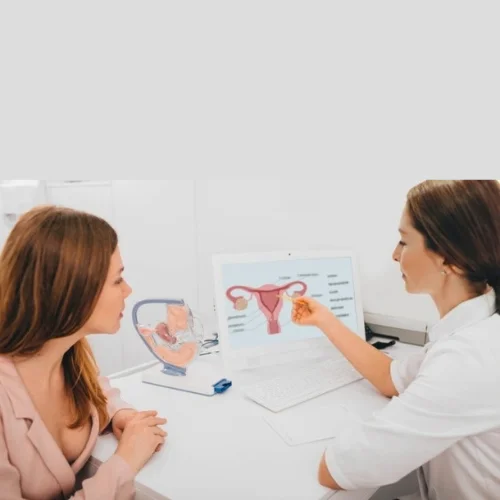
Ovulation Management
For women with ovulation-related fertility problems, appropriate medical treatment may be considered to support regular ovulation.
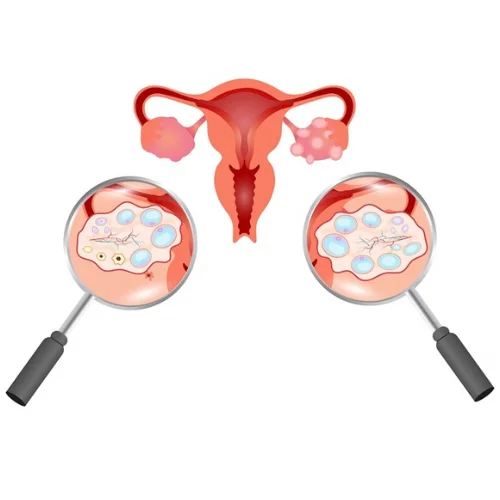
Management of PCOS & Hormonal Conditions
Conditions such as PCOS and thyroid disorders can affect reproductive function. Appropriate diagnosis and management may help improve reproductive health.
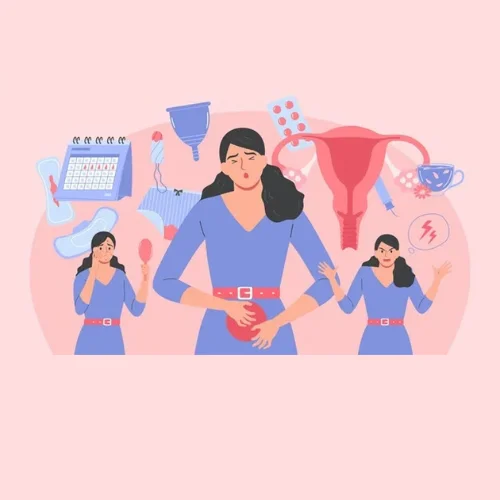
Treatment of Gynaecological Conditions
Conditions such as fibroids, endometriosis, ovarian cysts, or other uterine and pelvic abnormalities may require specific treatment depending on their impact on fertility.
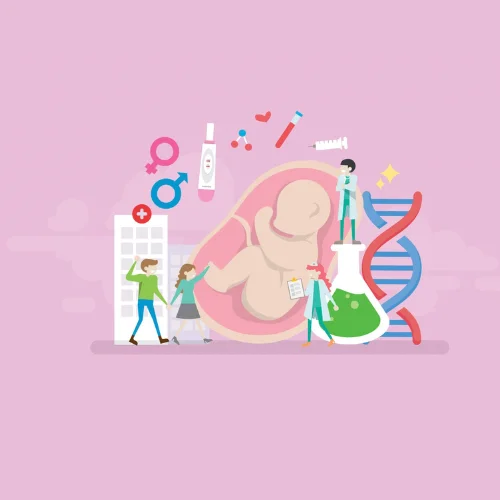
Assisted Reproductive Technologies
When appropriate, patients may be guided regarding fertility treatments such as IUI (Intrauterine Insemination) or IVF (In Vitro Fertilisation). The suitability of these options depends on individual fertility evaluation and clinical circumstances.
Why Choose Dr. Ruchika Sharma?
Experienced Obstetrician & Gynaecologist
Comprehensive fertility evaluation
Personalised reproductive health care
Individualised treatment planning
Preconception and pregnancy planning support
Fertility-focused, patient-centred approach
Management of PCOS, endometriosis and other gynaecological conditions
Guidance based on individual reproductive goals
Frequently Asked Questions
When should I see a doctor for infertility?
For women under 35, an infertility evaluation is generally considered after 12 months of regular unprotected intercourse without pregnancy. For women aged 35 or older, evaluation is generally recommended after 6 months. Earlier consultation may be appropriate when there are irregular periods, known reproductive conditions, previous fertility concerns, or other risk factors.
Can PCOS cause infertility?
For women under 35, an infertility evaluation is generally considered after 12 months of regular unprotected intercourse without pregnancy. For women aged 35 or older, evaluation is generally recommended after 6 months. Earlier consultation may be appropriate when there are irregular periods, known reproductive conditions, previous fertility concerns, or other risk factors.
Does infertility only affect women?
No. Fertility difficulties can involve female factors, male factors, a combination of factors, or sometimes no clearly identified cause. Evaluation of both partners may therefore be recommended.
Can endometriosis affect fertility?
Yes. Endometriosis can affect fertility in some women. The impact varies depending on factors such as the location and extent of disease and ovarian or pelvic involvement.
What tests are done during a fertility evaluation?
Testing is individualised. Depending on your circumstances, it may include hormonal tests, ultrasound, ovulation assessment, evaluation of the uterus and fallopian tubes, and assessment of male fertility factors.
Does infertility always require IVF?
No. IVF is only one of several fertility treatment options. Depending on the cause and individual circumstances, treatment may involve lifestyle changes, medication, ovulation management, IUI, surgery, or other approaches.
Can I improve my fertility naturally?
Healthy lifestyle habits, maintaining an appropriate weight, avoiding tobacco, limiting alcohol, regular physical activity, adequate sleep, and managing medical conditions can support overall reproductive health. Individual fertility concerns should still be evaluated medically.
Can I plan a pregnancy if I have fibroids or ovarian cysts?
Many women with fibroids or ovarian cysts can become pregnant. The effect on fertility depends on factors such as the type, size, and location of the condition. A personalised evaluation can help determine whether treatment is necessary before pregnancy.