
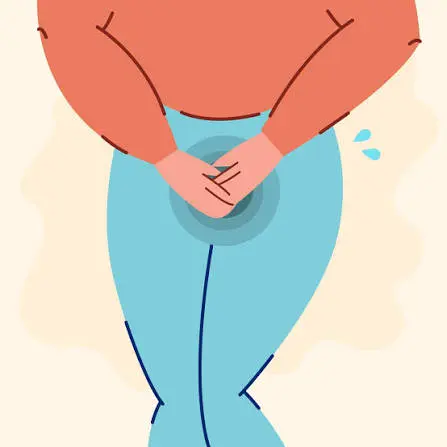

Urinary Incontinence & Bladder Issues
Personalised Care for Urinary Leakage, Bladder Problems & Pelvic Health
Urinary incontinence and bladder problems can affect women at different stages of life, including after childbirth, during menopause, and with increasing age. While urinary leakage is common, it is not something you simply have to live with. Identifying the underlying cause can help determine appropriate treatment and improve comfort, confidence, and quality of life.
Dr. Ruchika Sharma, experienced Obstetrician & Gynaecologist, provides comprehensive evaluation and personalised care for women experiencing urinary leakage, bladder symptoms, and related pelvic health concerns.
What Is Urinary Incontinence?
Urinary incontinence refers to the involuntary leakage of urine. It can range from occasional leakage with coughing or sneezing to a strong, sudden urge to urinate that is difficult to control.
Bladder symptoms can have different causes, so proper evaluation is important before deciding on treatment.
Common Bladder & Urinary Symptoms
Urine leakage while coughing or sneezing
Leakage during exercise or physical activity
Sudden and strong urges to urinate
Frequent urination
Getting up frequently at night to urinate
Difficulty controlling the bladder
Urine leakage before reaching the toilet
Difficulty completely emptying the bladder
Bladder symptoms after childbirth or during menopause
Types of Urinary Incontinence
Stress Urinary Incontinence
Urine leakage occurs when pressure is placed on the bladder, such as during coughing, sneezing, laughing, lifting, running, or exercising. It can occur when the pelvic floor or supporting tissues are weakened.
Urge Incontinence
This involves a sudden, difficult-to-control urge to urinate followed by involuntary leakage. It may be associated with an overactive bladder.
Mixed Incontinence
Some women experience both stress and urge urinary incontinence. Treatment is tailored according to the symptoms and underlying factors.
Urinary Incontinence After Childbirth
Pregnancy and childbirth can affect the pelvic floor and bladder control. Persistent urinary leakage after delivery should be evaluated rather than simply accepted as a normal consequence of childbirth.
Menopause-Related Bladder Symptoms
Hormonal changes around menopause can contribute to urinary and vaginal symptoms in some women. Appropriate assessment can help identify the cause and available treatment options.
What Causes Urinary Incontinence?
- Pregnancy and childbirth
- Pelvic floor weakness
- Menopause-related hormonal changes
- Overactive bladder
- Urinary tract infections
- Constipation
- Certain medications
- Neurological conditions
- Pelvic organ prolapse
- Previous pelvic surgery
- Other bladder or urinary tract conditions
How Are Bladder Problems Evaluated?
Dr. Ruchika Sharma begins with a detailed discussion of your symptoms, medical history, pregnancy and childbirth history, medications, and lifestyle.
Depending on your symptoms, evaluation may include:
- Medical and bladder history
- Physical and pelvic examination when appropriate
- Urine testing
- Assessment of bladder habits and symptoms
- Evaluation of pelvic floor function
- Ultrasound or other investigations when indicated
- Additional testing or specialist referral when required
Treatment for Urinary Incontinence
Treatment depends on the type and cause of incontinence, severity of symptoms, overall health, and individual needs.

Lifestyle & Bladder Training
Simple changes such as appropriate fluid management, scheduled toilet visits, reducing bladder irritants, and bladder training may help some women manage symptoms.

Pelvic Floor Muscle Training
Pelvic floor exercises can help strengthen the muscles that support bladder control. Your doctor may recommend pelvic floor training depending on the type of incontinence.
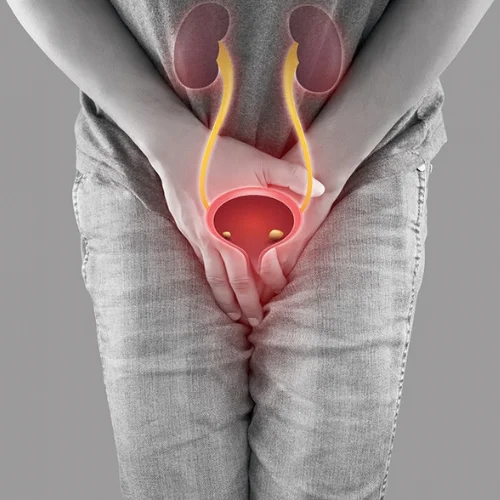
Medical Treatment
Certain bladder conditions may benefit from medication. The choice depends on the underlying cause and your individual health profile.
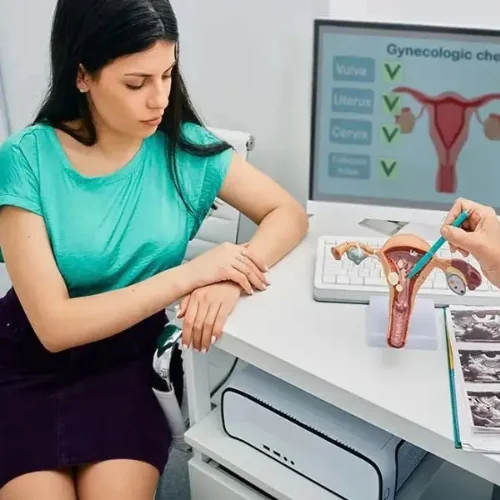
Treatment of Underlying Conditions
If urinary symptoms are associated with infection, menopause-related changes, constipation, pelvic organ prolapse, or another condition, treatment may focus on the underlying problem.
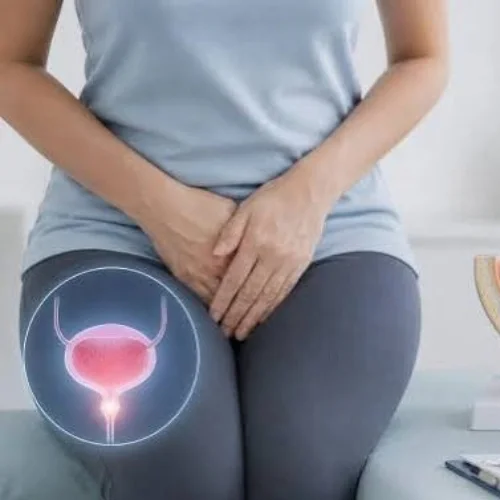
Advanced Treatment & Referral
Women with persistent or complex urinary symptoms may require additional investigations or specialised urogynecological/urological care. Dr. Ruchika Sharma can guide you regarding appropriate next steps when required.
Urinary Incontinence After Pregnancy
Pregnancy and childbirth can place stress on the pelvic floor and bladder-supporting tissues. Some women experience urinary leakage after delivery, particularly while coughing, sneezing, laughing, or exercising.
If leakage persists or interferes with your daily activities, a professional evaluation can help determine appropriate management.
Urinary Symptoms During Menopause
Changes in estrogen levels during menopause can contribute to vaginal and urinary symptoms in some women. These may include urinary urgency, frequency, recurrent urinary symptoms, or discomfort.
Treatment depends on the specific symptoms and your medical history.
Why Choose Dr. Ruchika Sharma?
Experienced Obstetrician & Gynaecologist
Comprehensive evaluation of urinary symptoms
Personalised treatment planning
Women’s pelvic and reproductive health care
Patient-focused and confidential consultations
Focus on improving comfort and quality of life
Frequently Asked Questions
Is urinary leakage normal after childbirth?
Urinary leakage can occur after pregnancy and childbirth, but persistent or bothersome leakage should be evaluated. Appropriate pelvic floor and bladder management may help improve symptoms.
Is urinary incontinence a normal part of ageing?
Urinary leakage is common, but it is not something you necessarily have to accept as an unavoidable part of ageing. Several treatment and management options may be available.
Can pelvic floor exercises help urinary incontinence?
Yes. Pelvic floor muscle training can help some types of urinary incontinence, particularly stress urinary incontinence. A healthcare professional can guide you regarding appropriate exercises.
Why do I leak urine when I cough or sneeze?
Coughing and sneezing temporarily increase pressure inside the abdomen. If the pelvic floor and bladder-supporting structures cannot adequately manage this pressure, urine leakage may occur. This is commonly associated with stress urinary incontinence.
Why do I suddenly feel an urgent need to urinate?
A sudden, difficult-to-control urge to urinate can be associated with an overactive bladder or other urinary conditions. Persistent symptoms should be evaluated to identify the cause.
Can menopause cause bladder problems?
Hormonal changes during menopause can contribute to urinary and vaginal symptoms in some women. A gynecological evaluation can help determine the cause and appropriate treatment.
When should I see a doctor for urinary leakage?
Consider a consultation if urinary leakage is frequent, worsening, interferes with exercise or daily activities, occurs after childbirth, or affects your confidence and quality of life.
Can urinary incontinence be treated without surgery?
Many women can be managed without surgery. Depending on the type and cause, treatment may include lifestyle changes, bladder training, pelvic floor exercises, medication, or other non-surgical approaches.
When is urinary leakage an emergency?
Sudden inability to urinate, severe lower abdominal pain, blood in the urine, fever with urinary symptoms, or severe pain should receive prompt medical attention.