
Minimally Invasive & Robotic Surgeries
Advanced Gynecological Surgery with Precision, Smaller Incisions & Focused Recovery
Modern gynecological surgery has evolved significantly with the availability of minimally invasive laparoscopic and robotic-assisted techniques. These approaches allow selected gynecological conditions to be treated through small incisions rather than traditional open surgery.
Dr. Ruchika Sharma, MBBS, MS (Obstetrics & Gynaecology), provides personalised surgical evaluation and treatment planning for women who may benefit from minimally invasive or robotic-assisted gynecological procedures.
The appropriate surgical approach depends on the condition, medical history, anatomy, previous surgeries, and overall health of each patient.
What Are Minimally Invasive Gynecological Surgeries?
Minimally invasive surgery uses specialised instruments and a camera inserted through small incisions to perform gynecological procedures.
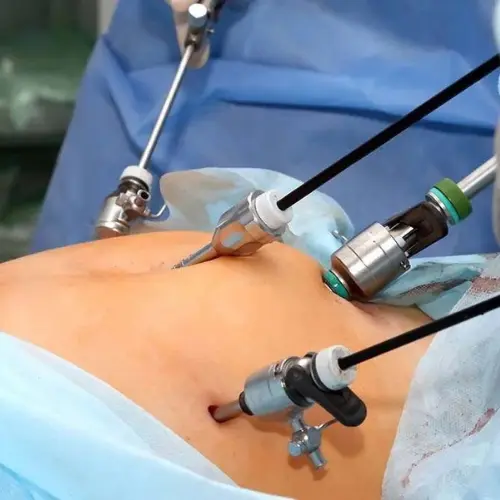
Laparoscopic surgery is performed using a small camera and instruments through small abdominal openings.
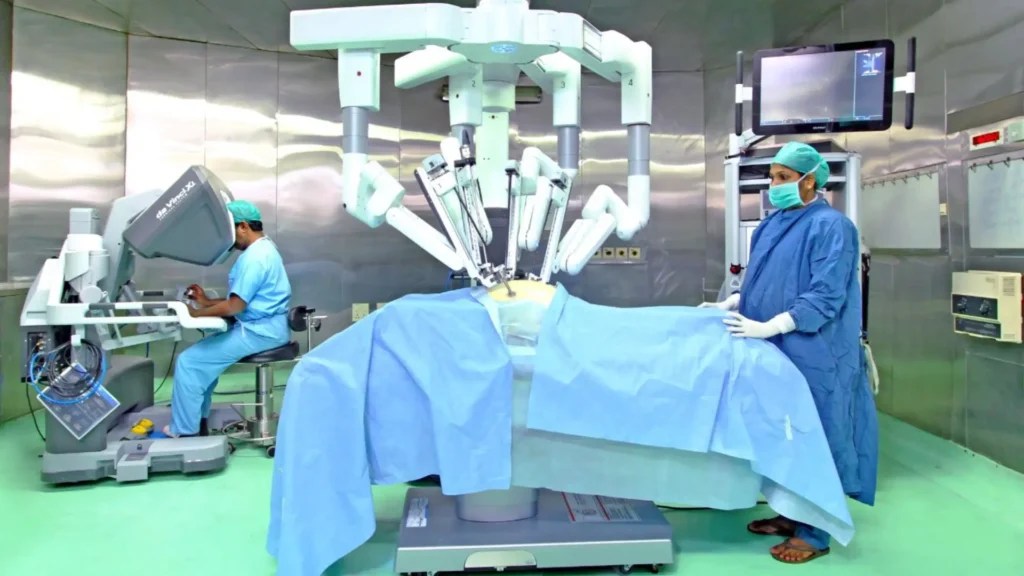
Robotic-assisted surgery uses a specialised robotic surgical system that the surgeon controls to perform precise movements through small incisions. The robot does not perform the surgery independently—the surgeon remains in control throughout the procedure.
Gynecological Conditions That May Be Treated
Uterine fibroids
Ovarian cysts
Endometriosis
Certain conditions requiring hysterectomy
Selected uterine conditions requiring myomectomy
Certain pelvic masses
Other gynecological conditions where minimally invasive surgery is appropriate
Common Minimally Invasive Procedures

Laparoscopic Surgery
Laparoscopic surgery, often referred to as keyhole surgery, uses small incisions and a camera to allow the surgeon to view and operate inside the abdomen. It may be used for procedures such as: Laparoscopic hysterectomy Laparoscopic myomectomy Ovarian cyst surgery Endometriosis surgery Selected pelvic surgeries
Robotic-Assisted Gynecological Surgery
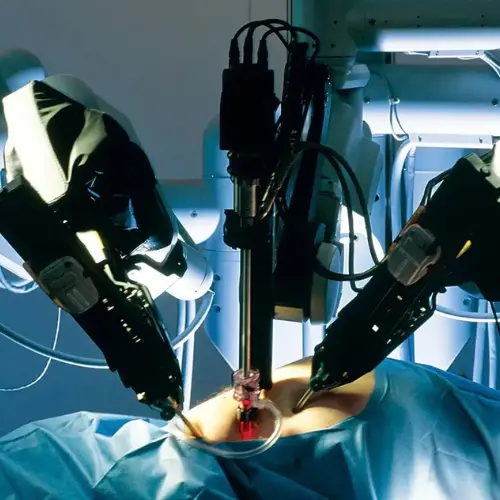
Robotic-assisted surgery combines the surgeon's expertise with a specialised robotic platform. The system can provide enhanced visualisation and allow controlled, precise instrument movements during selected procedures. Robotic-assisted surgery may be considered for certain complex or technically demanding gynecological procedures, depending on the patient's condition.
Benefits of Minimally Invasive Surgery
When appropriate for the patient, minimally invasive surgery may offer several potential advantages compared with conventional open surgery, including:
Smaller surgical incisions
Reduced tissue disruption
Reduced visible scarring
Less postoperative discomfort in many cases
Shorter hospital stay for many procedures
Earlier return to routine activities in suitable cases
Minimally Invasive Surgery for Uterine Fibroids
Fibroids are non-cancerous growths that can develop in or around the uterus. Depending on their size, number, location, symptoms, and the patient’s reproductive plans, surgical treatment may sometimes be recommended.
Laparoscopic or robotic-assisted myomectomy may be considered in selected patients who need fibroid removal while preserving the uterus.
Treatment is planned after evaluating the fibroids and discussing the patient’s symptoms and future pregnancy goals.
Minimally Invasive Surgery for Endometriosis
Endometriosis can cause pelvic pain, painful periods, pain during intercourse, and fertility-related concerns.
When surgery is indicated, laparoscopy can allow the surgeon to identify and treat visible endometriosis lesions and adhesions.
The extent of surgery depends on the location and severity of the disease and the patient’s individual needs.
Minimally Invasive Surgery for Ovarian Cysts
Many ovarian cysts do not require surgery and may resolve on their own. However, surgery may be considered when a cyst is persistent, large, symptomatic, or has other features requiring further evaluation.
Where appropriate, laparoscopic surgery can be used to remove an ovarian cyst through small incisions.
The exact surgical approach depends on the cyst and the patient’s clinical situation.
Minimally Invasive Hysterectomy
A hysterectomy is a surgical procedure to remove the uterus. It may be recommended for certain conditions when other treatment options are unsuitable or have not provided adequate relief.
For selected patients, hysterectomy may be performed using a minimally invasive approach, including laparoscopic or robotic-assisted techniques.
The type of hysterectomy and surgical approach is determined after a detailed evaluation.
What to Expect Before Surgery
Your pre-operative assessment may include:
Detailed medical and gynecological history
Physical examination
Relevant blood tests
Ultrasound or other imaging when required
Review of previous medical or surgical history
Discussion of medications and allergies
Assessment of overall health
Discussion of fertility or pregnancy plans when relevant
Explanation of the proposed procedure and alternatives
What Happens During Minimally Invasive Surgery?
Depending on the procedure, the surgery generally involves:
Administration of anaesthesia.
Creation of small surgical openings.
Insertion of a camera and specialised surgical instruments.
Visualisation of the pelvic organs.
Performance of the required surgical procedure.
Removal or repair of the affected tissue where necessary.
Closure of the small incisions.
Why Choose Dr. Ruchika Sharma?
Detailed evaluation before surgery
Individualised treatment planning
Consideration of non-surgical alternatives when appropriate
Minimally invasive approaches for suitable patients
Clear communication about benefits and potential risks
Consideration of fertility and reproductive goals
Frequently Asked Questions
What is minimally invasive gynecological surgery?
Minimally invasive gynecological surgery uses small incisions, a camera, and specialised instruments to perform selected procedures instead of using a larger abdominal incision.
What is robotic-assisted surgery?
Robotic-assisted surgery is a form of minimally invasive surgery in which the surgeon controls specialised robotic instruments. The robot does not operate independently.
Is robotic surgery better than laparoscopic surgery?
Both techniques have specific applications. The appropriate approach depends on the condition, complexity of the surgery, patient’s anatomy, medical history, and the surgeon’s assessment.
Which gynecological conditions can be treated using minimally invasive surgery?
Depending on the individual case, minimally invasive surgery may be used for conditions such as fibroids, ovarian cysts, endometriosis, and selected cases requiring hysterectomy or other pelvic surgery.
Are the incisions smaller with laparoscopic and robotic surgery?
Generally, minimally invasive procedures use several small incisions rather than the larger incision associated with many open surgeries.
How long does recovery take?
Recovery varies according to the procedure, surgical complexity, and individual health. Your doctor will provide personalised instructions regarding activity, work, exercise, and follow-up.
Can minimally invasive surgery affect fertility?
The impact on fertility depends on the condition being treated and the specific procedure. If you are planning a pregnancy, discuss your reproductive goals with your gynaecologist before surgery.
Is minimally invasive surgery suitable for everyone?
No. Some patients may require conventional open surgery depending on the condition, size or location of the problem, previous surgeries, medical factors, or other considerations.
Will minimally invasive surgery leave scars?
Small incisions are generally used, so the resulting scars may be smaller than those from conventional open surgery. The appearance of scars varies between individuals.
How do I know which surgical approach is right for me?
A detailed consultation, examination, imaging, medical history, and discussion of your treatment goals help determine the most appropriate surgical approach.