
Gynaecologist

Endometriosis

Compassionate Care for Endometriosis, Pelvic Pain & Fertility Concerns

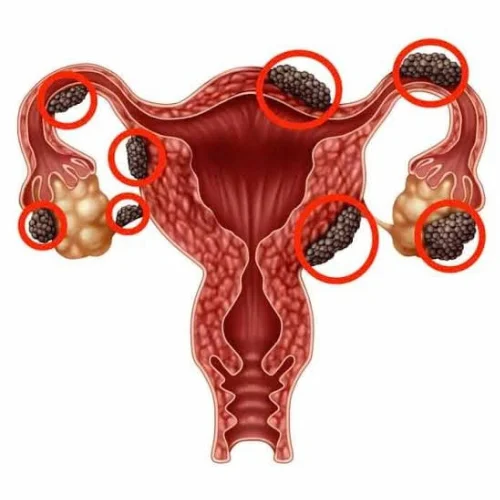
Endometriosis is a chronic gynaecological condition in which tissue similar to the lining of the uterus grows outside the uterus. It can cause painful periods, pelvic pain, pain during intercourse, and sometimes difficulty conceiving.

Dr. Ruchika Sharma, experienced Obstetrician & Gynaecologist, provides personalised evaluation and management for women with endometriosis, with treatment tailored to symptoms, disease severity, age, and reproductive goals.

What Is Endometriosis?

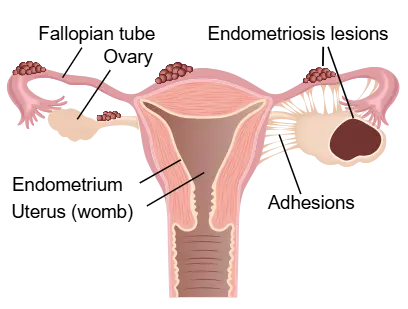
Endometriosis occurs when tissue similar to the uterine lining develops outside the uterus, commonly around the ovaries, fallopian tubes, and pelvic tissues.

This tissue can respond to hormonal changes during the menstrual cycle, potentially causing inflammation, pain, and scar tissue over time.

Endometriosis can affect women differently. Some women have significant symptoms, while others may have few or no symptoms.

Endometriosis

Common Symptoms of Endometriosis

Severe or worsening menstrual pain

Pain during or after sexual intercourse

Pain while urinating, particularly during periods

Chronic pelvic pain

Heavy or irregular menstrual bleeding

Lower back or abdominal pain

Bloating and pelvic discomfort

Difficulty conceiving

Persistent fatigue associated with chronic pain

What Causes Endometriosis?

The exact cause of endometriosis is not fully understood. Several factors may contribute to its development, including genetic, hormonal, and immune-related factors.

Endometriosis is a chronic condition and may require ongoing management depending on symptoms and individual circumstances.

How Is Endometriosis Diagnosed?

Diagnosis begins with a detailed discussion of your symptoms, menstrual history, medical history, and reproductive goals.

Depending on your symptoms, evaluation may include: Gynaecological examination, Pelvic ultrasound, Other imaging investigations when appropriate, Assessment of menstrual and pain patterns, Fertility evaluation when required, Additional investigations based on individual needs

Treatment for Endometriosis

Treatment depends on factors such as your symptoms, age, severity of the condition, previous treatments, and whether you are planning a pregnancy.

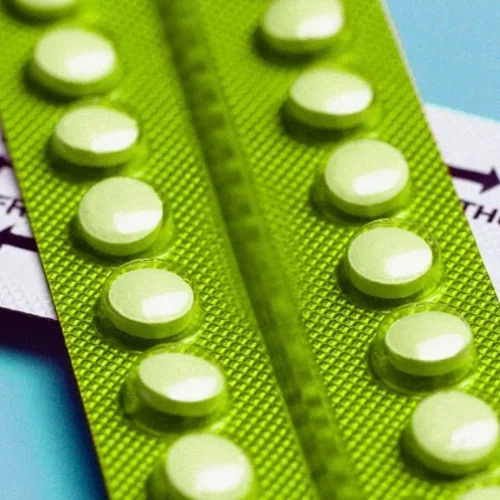
Medication

Medication

Medicines may be recommended to help manage pain and suppress hormonal activity associated with endometriosis. The choice of medication depends on individual circumstances.

Lifestyle & Supportive Care

Lifestyle & Supportive Care

Healthy lifestyle habits, appropriate physical activity, sleep, and strategies for managing chronic pain may complement medical treatment.
Fertility-Focused Management

Fertility-Focused Management

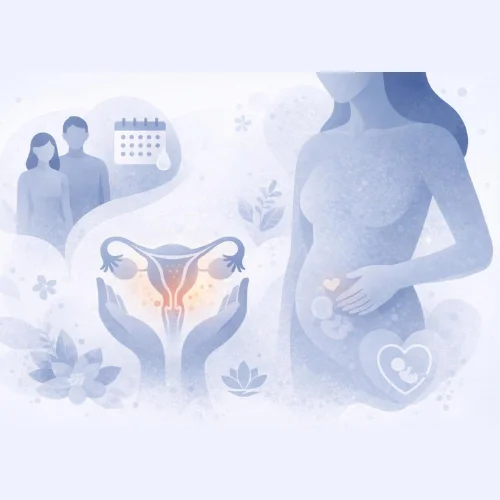
For women who are trying to conceive, treatment is planned around reproductive goals. Evaluation may include assessment of ovulation, ovarian function, fallopian tubes, and other fertility factors.
Laparoscopic Surgery

Laparoscopic Surgery

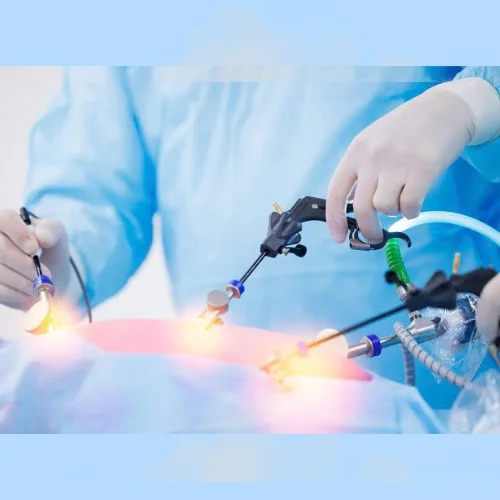
For selected patients, laparoscopic surgery may be considered to treat endometriosis lesions, adhesions, or ovarian endometriomas. The decision depends on the extent of disease, symptoms, previous treatment, and fertility goals.
Endometriosis & Fertility

Endometriosis & Fertility

Endometriosis may affect fertility in some women. It can be associated with inflammation, pelvic adhesions, ovarian endometriomas, or changes affecting reproductive function.However, having endometriosis does not mean that pregnancy is impossible. Women who are planning pregnancy can benefit from an individualised assessment and fertility-focused treatment plan.

Endometriosis & Menstrual Pain

Endometriosis & Menstrual Pain

Severe period pain should not always be considered a normal part of menstruation. If pain regularly interferes with work, education, sleep, exercise, or daily activities, a gynaecological evaluation can help identify possible causes, including endometriosis.

Why Choose Dr. Ruchika Sharma?

Experienced Obstetrician & Gynaecologist

Personalised evaluation for endometriosis

Comprehensive women’s reproductive healthcare

Individualised pain and symptom management

Fertility-focused treatment planning

Expertise in minimally invasive and laparoscopic surgery

Frequently Asked Questions

Is severe period pain always a sign of endometriosis?

No. Several conditions can cause painful periods. However, severe, persistent, or worsening menstrual pain should be evaluated by a gynecologist.

Endometriosis is generally considered a chronic condition. Treatment focuses on controlling symptoms, managing the disease, and addressing fertility or other individual concerns.

Endometriosis can affect fertility in some women, but many women with endometriosis are able to conceive. Fertility evaluation can help determine the most appropriate approach.

No. Surgery is not necessary for every patient. Depending on symptoms and individual circumstances, medical management or observation may be appropriate.

Laparoscopic surgery is a minimally invasive procedure performed through small incisions. In selected cases, it can be used to identify and treat endometriosis lesions or adhesions.

Endometriosis can recur after treatment in some women. Long-term management and follow-up may be recommended depending on the individual’s condition.

Yes. Endometriosis may be associated with painful periods, heavy bleeding, pelvic pain, or other menstrual symptoms.

Consider a consultation if you experience severe period pain, chronic pelvic pain, pain during intercourse, pain associated with bowel movements or urination during periods, or difficulty conceiving.

Scroll to Top