
Gynaecologist

Ovarian Cysts

Expert Evaluation & Personalised Treatment for Ovarian Cysts

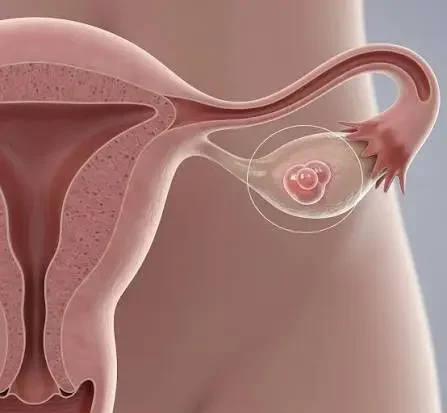
Ovarian cysts are fluid-filled sacs or growths that develop in or on the ovaries. Many ovarian cysts are harmless and may disappear on their own, while others may require medical evaluation and treatment.

Dr. Ruchika Sharma, experienced Obstetrician & Gynaecologist, provides comprehensive evaluation and personalised management of ovarian cysts, helping women understand their condition and choose appropriate treatment based on their symptoms, cyst characteristics, age, and reproductive goals.

What Are Ovarian Cysts?

Ovarian cysts can develop for different reasons and may occur at various stages of a woman’s life. Many are related to the normal menstrual cycle and may resolve without treatment.

However, a cyst that is large, persistent, symptomatic, or has unusual features may require further investigation and follow-up.

Common Symptoms of Ovarian Cysts

Lower abdominal or pelvic pain

Pain during or around menstruation

Abdominal bloating or fullness

Pressure in the lower abdomen

Pain during intercourse

Changes in menstrual periods

Frequent urination or bowel pressure

Difficulty conceiving in some cases

Types of Ovarian Cysts

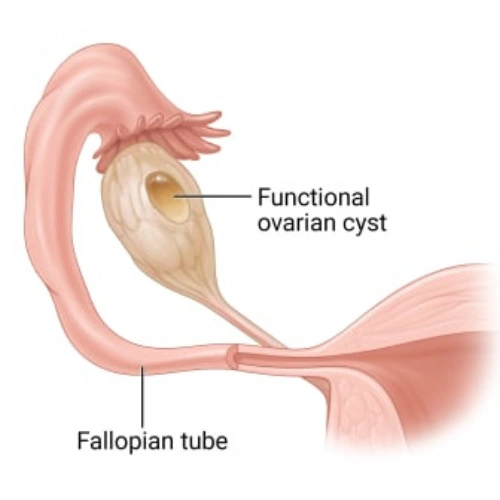
Functional Cysts

Functional Cysts

These are commonly associated with the normal menstrual cycle and often resolve naturally.
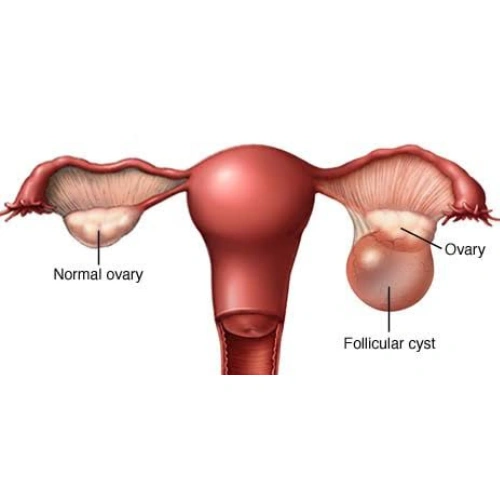
Follicular Cysts

Follicular Cysts

These may develop when a follicle does not release an egg as expected.
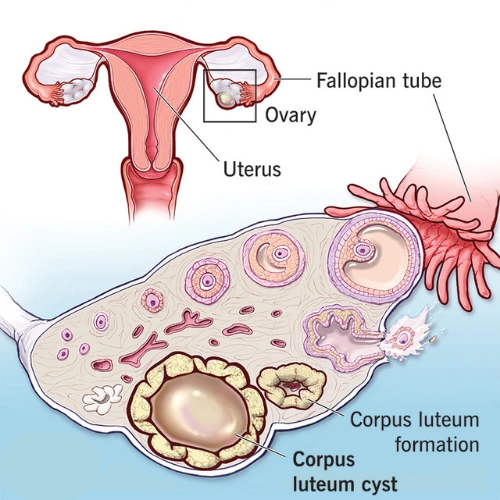
Corpus Luteum Cysts

Corpus Luteum Cysts

These can form after ovulation when the corpus luteum fills with fluid or blood.
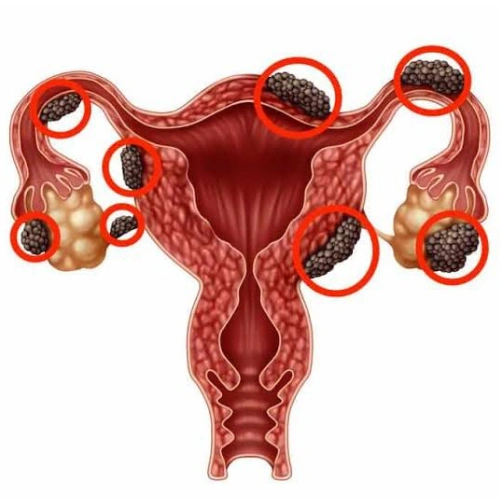
Endometriotic Cysts

Endometriotic Cysts

Also known as endometriomas, these can develop in women with endometriosis and may be associated with pelvic pain and fertility concerns.
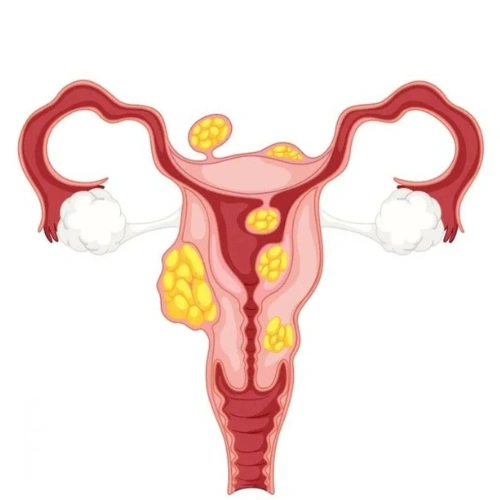
Dermoid Cysts

Dermoid Cysts

These are a type of ovarian cyst that can contain different types of tissue and may require monitoring or treatment depending on their characteristics.

What Causes Ovarian Cysts?

Ovarian cysts can develop due to several factors, including:

  • Normal changes during the menstrual cycle
  • Hormonal changes
  • Endometriosis
  • Certain reproductive health conditions
  • Abnormal cell growth

The cause and nature of a cyst can usually be assessed through clinical evaluation and appropriate imaging.

How Are Ovarian Cysts Diagnosed?

Depending on your condition, evaluation may include:

  • Clinical and pelvic examination
  • Pelvic ultrasound
  • Blood tests when appropriate
  • Follow-up imaging to monitor the cyst
  • Additional investigations when required

The aim is to determine the size, location, appearance, and likely nature of the cyst.

Treatment for Ovarian Cysts

Not every ovarian cyst requires immediate treatment. Management depends on factors such as the cyst’s size, appearance, symptoms, age, menopausal status, and whether it changes over time.

Observation & Monitoring

Many simple cysts can be monitored with follow-up consultations and ultrasound to see whether they resolve naturally.

Medication

Depending on the underlying condition and symptoms, medication may be recommended to manage pain or associated hormonal concerns. Medication does not necessarily remove an existing cyst.

Minimally Invasive Surgery

If a cyst is persistent, large, symptomatic, or has features requiring removal, laparoscopic surgery may be considered when appropriate. This approach uses small incisions and may allow recovery sooner than traditional open surgery in suitable cases.

Surgical Management

Surgery may be recommended when the cyst causes significant symptoms, continues to grow, has concerning features, or requires definitive diagnosis or treatment.

Ovarian Cysts & Fertility

Most ovarian cysts do not prevent pregnancy. However, certain conditions associated with ovarian cysts, such as endometriosis, may affect fertility.

For women planning pregnancy, treatment decisions should consider ovarian health and future reproductive goals. Dr. Ruchika Sharma can evaluate the condition and discuss appropriate options based on individual circumstances.

Ovarian Cysts During Pregnancy

Ovarian cysts may sometimes be detected during pregnancy, often during routine ultrasound examinations. Many are benign and can be safely monitored.

The recommended approach depends on the cyst’s size, appearance, symptoms, and stage of pregnancy. Your gynecologist can determine whether observation or further management is appropriate.

When Should You See a Gynecologist?

  • Persistent pelvic or abdominal pain
  • Unexplained abdominal swelling or fullness
  • Changes in your menstrual cycle
  • Pain during intercourse
  • A cyst detected during an ultrasound
  • Difficulty conceiving
  • Persistent or worsening symptoms

Why Choose Dr. Ruchika Sharma?

  • Experienced Obstetrician & Gynaecologist
  • Comprehensive evaluation of ovarian cysts
  • Personalised treatment planning
  • Focus on reproductive and women’s health
  • Expertise in minimally invasive and laparoscopic surgery
  • Treatment decisions based on individual needs
  • Compassionate and patient-focused care

Frequently Asked Questions

Are all ovarian cysts dangerous?

No. Many ovarian cysts are benign and may disappear without treatment. However, persistent, large, symptomatic, or unusual cysts may require further evaluation.

Yes. Many functional ovarian cysts resolve naturally over time. Your doctor may recommend follow-up imaging to monitor the cyst.

Most ovarian cysts do not cause infertility. However, certain conditions, such as endometriosis, can be associated with both ovarian cysts and fertility difficulties.

No. Surgery is not required for every ovarian cyst. Observation or medical management may be appropriate depending on the cyst and your symptoms.

Ovarian cysts are commonly detected through pelvic ultrasound. Additional tests may be recommended depending on the cyst’s appearance and your symptoms.

Some ovarian conditions can be associated with changes in menstrual patterns. If your periods become persistently irregular, a gynecological evaluation can help identify the underlying cause.

Most ovarian cysts are benign. Certain features may require further assessment to determine whether additional investigations or treatment are needed.

There is no single size that determines whether a cyst needs treatment. Doctors consider its size along with appearance, symptoms, age, menopausal status, and whether it is changing over time.

Scroll to Top