

Gynaecologist

Pelvic Inflammatory Disease (PID)

Comprehensive Diagnosis & Personalised Treatment for Pelvic Infections

Pelvic Inflammatory Disease (PID) is an infection and inflammation affecting the female reproductive organs, including the uterus, fallopian tubes, and ovaries. It can develop when certain infections spread from the vagina or cervix into the upper reproductive tract.

Early diagnosis and appropriate treatment are important because untreated PID may lead to complications such as chronic pelvic pain, scarring of the fallopian tubes, ectopic pregnancy, or fertility problems.

Dr. Ruchika Sharma, experienced Obstetrician & Gynaecologist, provides confidential, compassionate, and personalised evaluation and management for women experiencing symptoms of PID and other reproductive health concerns.

What Is Pelvic Inflammatory Disease?

PID is an infection of the upper female reproductive system. It can involve the uterus, fallopian tubes, ovaries, and surrounding pelvic tissues.

PID can sometimes develop with mild or no symptoms, while other women may experience significant pelvic discomfort and abnormal discharge. Prompt medical evaluation can help reduce the risk of complications.

Pelvic Inflammatory Disease (PID)

Common Symptoms of PID

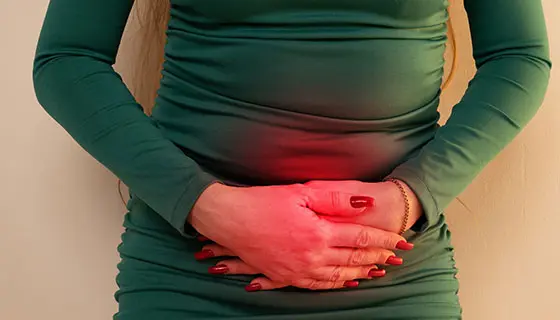
Lower abdominal or pelvic pain

Unusual vaginal discharge

Foul-smelling vaginal discharge

Pain during sexual intercourse

Pain or burning while urinating

Bleeding between periods

Abnormal vaginal bleeding

Painful periods

Nausea or vomiting

How Is PID Diagnosed?

There is no single test that can diagnose every case of PID. Diagnosis is generally based on your symptoms, medical history, physical examination, and appropriate investigations.

Dr. Ruchika Sharma may recommend:

  • Detailed medical and sexual health history
  • Pelvic examination
  • STI testing
  • Vaginal or cervical swab testing when appropriate
  • Blood tests
  • Pregnancy testing when indicated
  • Pelvic ultrasound in selected cases
  • Additional investigations based on symptoms

Early evaluation is important because PID can sometimes be difficult to diagnose based on symptoms alone.

What Causes PID?

PID is commonly associated with sexually transmitted infections (STIs), particularly chlamydia and gonorrhoea. Other bacteria that normally live in the vagina can also sometimes contribute to PID. PID is not always caused by an STI, and symptoms alone cannot determine the exact cause. Proper medical evaluation and testing are important.

Who May Be at Risk?

The risk of PID may be increased by factors such as:

  • A current or previous STI
  • Having a partner with an untreated STI
  • Multiple sexual partners
  • Previous PID
  • Certain infections of the reproductive tract
  • Recent procedures involving the uterus in some circumstances

Treatment for PID

PID is generally treated with antibiotics that target the bacteria commonly responsible for the infection. The specific treatment depends on the clinical assessment and suspected or identified infection.

Antibiotic Treatment

Antibiotic Treatment

A combination of antibiotics may be prescribed to cover the range of bacteria that can cause PID. It is important to take the complete course exactly as prescribed, even if symptoms improve earlier.

Partner Evaluation & Treatment

Partner Evaluation & Treatment

If PID is associated with an STI, recent sexual partners may also need evaluation and treatment to reduce the risk of reinfection.

Avoiding Sexual Activity During Treatment

Avoiding Sexual Activity During Treatment

Your doctor may advise avoiding sexual intercourse until treatment is completed, symptoms have resolved, and any recommended partner treatment has been addressed.

Follow-Up Care

Follow-Up Care

Follow-up may be recommended to ensure that symptoms are improving and to assess whether additional evaluation or treatment is required.

Why Early Treatment Matters

Untreated or inadequately treated PID can sometimes cause inflammation and scarring in the reproductive tract. Potential complications include: Chronic pelvic pain, Fallopian tube damage, Infertility, Increased risk of ectopic pregnancy, Tubo-ovarian abscess. Early diagnosis and appropriate treatment can help reduce the risk of these complications.

PID & Fertility

PID can affect fertility if it causes scarring or damage to the fallopian tubes. However, not every woman with PID develops fertility problems.

If you have a history of PID and are planning pregnancy or experiencing difficulty conceiving, a gynecological evaluation can help assess your reproductive health and discuss appropriate next steps.

Why Choose Dr. Ruchika Sharma?

Experienced Obstetrician & Gynaecologist

Comprehensive evaluation of pelvic infections

Confidential and compassionate consultations

Focus on reproductive and long-term women’s health

Fertility-focused care when required

Appropriate follow-up and preventive guidance

Frequently Asked Questions

Is PID a sexually transmitted infection?

PID itself is not classified as an STI, but it is commonly associated with STIs such as chlamydia and gonorrhoea. Other bacteria can also cause PID.

Yes. PID can sometimes develop from bacteria that are normally present in the vagina or from other infections. A medical evaluation is needed to determine the likely cause.

PID can potentially cause infertility if it damages or scars the fallopian tubes. Prompt diagnosis and appropriate treatment may help reduce the risk of complications.

The infection can generally be treated with appropriate antibiotics. However, antibiotics may not reverse permanent damage or scarring that has already developed, which is why early treatment is important.

If an STI is suspected or identified, sexual partners may need evaluation and treatment to reduce the risk of reinfection. Your doctor can provide specific guidance based on your diagnosis.

Yes. Some women may have mild or no noticeable symptoms. This is one reason why appropriate evaluation is important when there are risk factors or concerns about reproductive health.

Yes. A previous episode of PID does not provide immunity. Reinfection can occur, particularly if an underlying infection is not treated or if a partner with an STI remains untreated.

Consult a gynecologist if you have persistent pelvic pain, unusual vaginal discharge, abnormal bleeding, pain during intercourse, painful urination, fever, or concerns about a possible reproductive tract infection.

Scroll to Top