

Menopause Management
Personalised Care for a Comfortable & Healthy Menopause
Menopause is a natural stage of a woman’s life, marking the end of menstrual periods and reproductive years. The transition to menopause, known as perimenopause, can bring physical, emotional, and hormonal changes that may affect everyday life.
Dr. Ruchika Sharma, experienced Obstetrician & Gynaecologist, provides personalised menopause care focused on understanding your symptoms, managing discomfort, and supporting your overall health during and after the menopausal transition.
What Is Menopause?
Menopause is reached when a woman has not had a menstrual period for 12 consecutive months and there is no other medical cause for the absence of periods. It most commonly occurs between the ages of 45 and 55, although the timing can vary.
The years leading up to menopause may involve changing hormone levels and irregular periods. This transition is called perimenopause.
Common Symptoms of Menopause
Hot flashes and night sweats
Sleep disturbances
Mood changes or irritability
Irregular or changing menstrual periods
Pain or discomfort during intercourse
Urinary urgency or recurrent urinary concerns
Vaginal dryness
Reduced sexual desire
Fatigue
Difficulty concentrating
Joint or muscle discomfort
Changes in weight or body composition
Understanding Perimenopause
Perimenopause is the transition period before menopause. During this stage, hormone levels fluctuate and periods may become irregular.
Women may experience symptoms such as:
- Changes in menstrual cycle length
- Heavier or lighter periods
- Hot flashes
- Sleep problems
- Mood changes
- Vaginal dryness
- Reduced energy
Medical consultation can help determine whether symptoms are related to perimenopause or another condition.
How Is Menopause Evaluated?
Menopause is often identified based on your age, symptoms, and menstrual history. Dr. Ruchika Sharma may discuss:
- Your menstrual pattern
- Menopause-related symptoms
- Medical and family history
- Existing health conditions
- Current medications
- Lifestyle and nutritional factors
- Bone and cardiovascular health when appropriate
Additional tests may be recommended when symptoms are unusual, menopause occurs earlier than expected, or another medical condition needs to be ruled out.
Menopause Management & Treatment
PID is generally treated with antibiotics that target the bacteria commonly responsible for the infection. The specific treatment depends on the clinical assessment and suspected or identified infection.

Lifestyle & Wellness Guidance
Healthy lifestyle habits can support overall well-being during menopause. This may include regular physical activity, a balanced diet, adequate sleep, stress management, and maintaining a healthy weight.

Management of Hot Flashes & Night Sweats
Treatment options may be discussed when hot flashes or night sweats are frequent or interfere with sleep and daily activities.
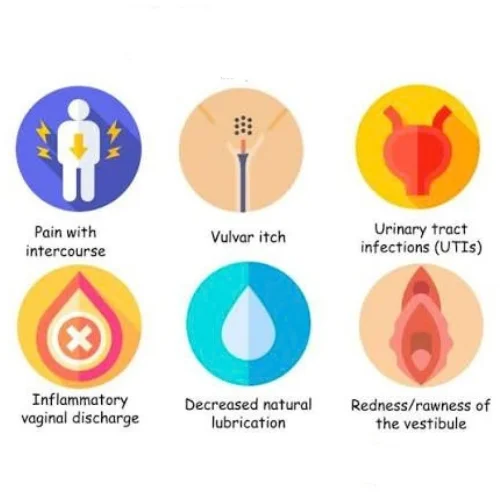
Management of Vaginal & Urinary Symptoms
Vaginal dryness, discomfort during intercourse, and certain urinary symptoms can occur during menopause. Appropriate treatment can help improve intimate comfort and quality of life.

Menopausal Hormone Therapy
For selected women with bothersome menopausal symptoms, menopausal hormone therapy (MHT) may be considered after an individual assessment of benefits, risks, medical history, and personal preferences.

Bone Health
Hormonal changes around menopause can affect bone health. Depending on your age and risk factors, your doctor may discuss lifestyle measures, nutritional needs, and appropriate screening.

Heart & Metabolic Health
Menopause is also an opportunity to review cardiovascular and metabolic health. Blood pressure, weight, blood sugar, cholesterol, and other factors may be assessed when appropriate.
Menopause & Bone Health
Declining estrogen levels after menopause can contribute to bone loss in some women. Maintaining adequate calcium and vitamin D intake, regular weight-bearing exercise, and addressing individual risk factors can support bone health.
Your doctor can advise whether bone-density assessment is appropriate based on your age and risk factors.
Menopause & Emotional Well-Being
Hormonal changes, sleep problems, lifestyle changes, and other factors during menopause may affect mood and emotional well-being.
Persistent anxiety, low mood, or changes that interfere with everyday life deserve appropriate medical attention and support.
Why Choose Dr. Ruchika Sharma?
Experienced Obstetrician & Gynaecologist
Personalised menopause evaluation
Comprehensive women’s health care
Individualised symptom management
Attention to bone and overall health
Compassionate and confidential consultations
Guidance for hormonal and reproductive health
Patient-centred approach to treatment decisions
Frequently Asked Questions
At what age does menopause usually occur?
Menopause most commonly occurs between the ages of 45 and 55, although the timing varies from woman to woman.
What is the difference between perimenopause and menopause?
Perimenopause is the transition period when hormone levels fluctuate and menstrual cycles become irregular. Menopause is reached after 12 consecutive months without a menstrual period, when there is no other cause for the absence of periods.
Are hot flashes a normal part of menopause?
Hot flashes are a common symptom of menopause, but their frequency and severity vary. If they interfere with sleep, work, or daily life, treatment options can be discussed with a gynecologist.
Can menopause affect sleep?
Yes. Hot flashes, night sweats, hormonal changes, mood changes, and other factors can contribute to sleep difficulties during perimenopause and menopause.
Does menopause cause weight gain?
Changes in body composition and weight can occur around menopause, but weight changes are influenced by multiple factors, including age, activity, diet, sleep, and metabolic health.
Is hormone therapy safe for every woman?
No. Menopausal hormone therapy is not appropriate for everyone. Its suitability depends on factors such as age, symptoms, medical history, and individual risks and benefits. A consultation is important before considering hormone therapy.
Can menopause affect sexual health?
Yes. Lower estrogen levels can contribute to vaginal dryness, discomfort during intercourse, and changes in sexual desire. Several treatment options may help depending on the underlying cause.
Should I see a gynecologist during menopause even if I have no symptoms?
Regular healthcare remains important after menopause. Preventive care, screening, bone health, cardiovascular risk, and other age-related health concerns can be discussed based on your individual needs.
When should I consult a doctor about menopause symptoms?
Consider a consultation if symptoms such as hot flashes, sleep problems, mood changes, vaginal discomfort, or irregular bleeding are affecting your daily life or well-being.