PCOS / PCOD Management
Personalized Care for Hormonal Balance, Periods & Reproductive Health
Polycystic Ovary Syndrome (PCOS), commonly referred to as PCOD, is a common hormonal condition that can affect menstrual cycles, ovulation, skin, weight, and fertility. With the right evaluation and long-term management, many women can effectively manage their symptoms and maintain good reproductive health.
Dr. Ruchika Sharma, experienced Obstetrician & Gynaecologist, provides personalised PCOS/PCOD care based on each woman’s symptoms, health needs, and reproductive goals.
What Is PCOS / PCOD?
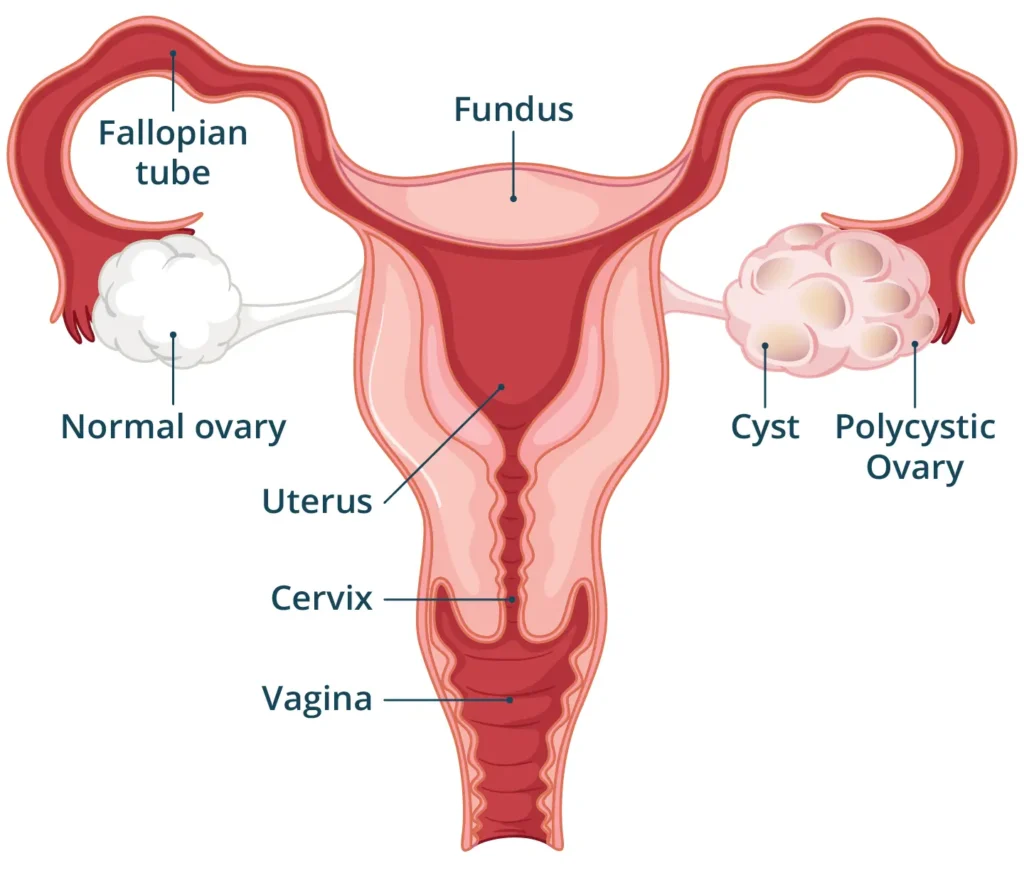
PCOS is a hormonal and metabolic condition that can affect ovulation and menstrual regularity. It may be associated with symptoms such as irregular periods, acne, excess facial or body hair, weight changes, and difficulty conceiving.
PCOS can affect women differently, so treatment is tailored according to individual symptoms and health goals.
Common Symptoms of PCOS / PCOD
Irregular or missed periods
Difficulty with ovulation
Acne and oily skin
Excess facial or body hair
Hair thinning or hair loss
Difficulty conceiving
Heavy or unpredictable menstrual bleeding
Weight gain or difficulty losing weight
Darkening of the skin in certain areas
What Causes PCOS?
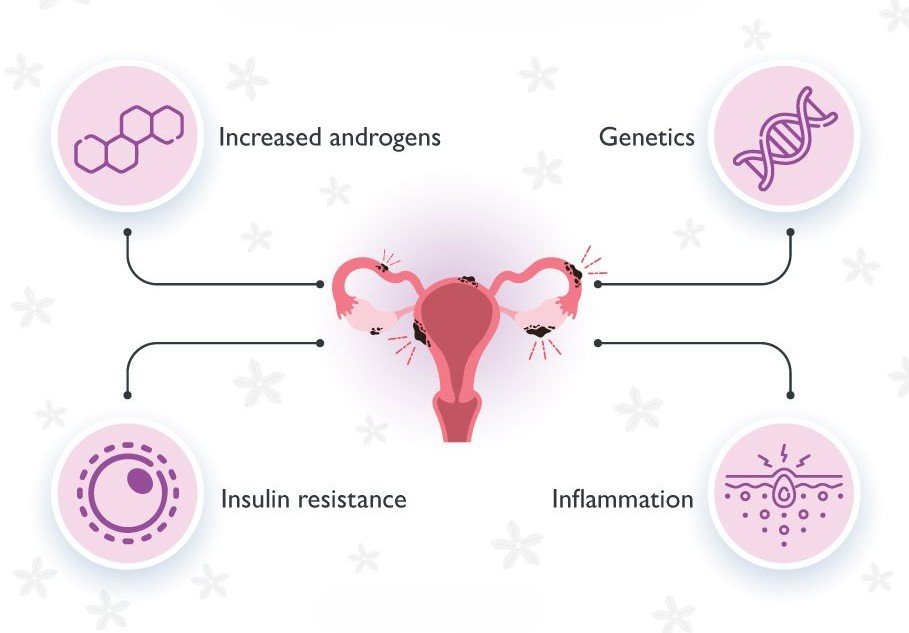
The exact cause of PCOS is not fully understood. Hormonal imbalance, insulin resistance, genetics, and other metabolic factors may contribute to its development.
PCOS is not simply an ovarian problem—it can involve hormonal, metabolic, menstrual, and reproductive health.
How Is PCOS Diagnosed?
Diagnosis involves understanding your symptoms and medical history along with a clinical evaluation. Depending on your individual situation, your doctor may recommend:
Menstrual and symptom history
Physical examination
Pelvic ultrasound when appropriate
Blood tests to assess hormones and other health markers
Assessment of weight and metabolic health
Evaluation of fertility and ovulation when required
PCOS / PCOD Management
There is no single treatment that works for every woman with PCOS. Management depends on your symptoms, age, overall health, and whether you are planning pregnancy. Treatment may include:
Lifestyle & Weight Management
Healthy eating, regular physical activity, adequate sleep, and sustainable lifestyle changes can play an important role in managing PCOS.
Menstrual Cycle Management
Appropriate medical treatment may be recommended to help manage irregular or absent periods and protect long-term reproductive health.
Management of Hormonal Symptoms
Treatment can help address concerns such as acne, excess hair growth, or other symptoms related to hormonal imbalance.
Fertility & Ovulation Support
For women planning pregnancy, evaluation and treatment may focus on improving ovulation and addressing other factors that may affect conception.
Metabolic Health
PCOS can be associated with insulin resistance and an increased risk of metabolic problems. Appropriate monitoring can help identify and manage these concerns.
PCOS & Fertility
PCOS can affect ovulation and may make conception more difficult for some women. However, having PCOS does not mean that pregnancy is impossible.
Why Choose Dr. Ruchika Sharma for PCOS Management?
Experienced Obstetrician & Gynaecologist
Personalised PCOS/PCOD evaluation
Focus on menstrual and fertility concerns
Individualised treatment planning
Guidance for long-term symptom management
Patient-focused and compassionate approach
Frequently Asked Questions
Is PCOS the same as PCOD?
The terms PCOS and PCOD are often used interchangeably, but they are not necessarily identical. PCOS refers to a specific hormonal and metabolic condition diagnosed based on established clinical criteria.
Can PCOS be cured permanently?
PCOS is generally considered a long-term condition rather than something that has a permanent cure. However, its symptoms and associated health risks can often be effectively managed through lifestyle changes and appropriate medical treatment.
Can PCOS cause infertility?
PCOS can interfere with regular ovulation, which may make conception more difficult for some women. With appropriate evaluation and treatment, many women with PCOS are able to conceive.
Can I get pregnant naturally with PCOS?
Yes. Some women with PCOS ovulate regularly or may resume regular ovulation with lifestyle changes and appropriate treatment. Fertility management depends on the individual situation.
Does PCOS always cause weight gain?
No. PCOS can occur in women of different body types. Weight gain or difficulty losing weight is common in some women but is not required for a PCOS diagnosis.
What happens if PCOS is left untreated?
Persistent untreated symptoms may contribute to irregular periods, fertility problems, metabolic concerns, and other long-term health risks. Regular medical evaluation can help with appropriate management.
When should I see a doctor for PCOS?
Consider consulting a gynecologist if you have persistently irregular or missed periods, symptoms of hormonal imbalance, difficulty conceiving, or other concerns associated with PCOS.