
Uterine Fibroids
Expert Evaluation & Personalised Treatment for Uterine Fibroids
Uterine fibroids are non-cancerous growths that develop in or around the uterus. They are common among women during their reproductive years and may cause symptoms ranging from heavy periods and pelvic pain to pressure symptoms and fertility concerns.
Dr. Ruchika Sharma, experienced Obstetrician & Gynaecologist, provides comprehensive evaluation and personalised management of uterine fibroids, with treatment planned according to the size, number, location of fibroids, symptoms, age, and future pregnancy plans.
What Are Uterine Fibroids?
Uterine fibroids are growths that develop from the muscle tissue of the uterus. They can vary in size and location, and some women may have a single fibroid while others may have multiple fibroids.
Many fibroids do not cause symptoms and may only require regular monitoring. However, symptomatic fibroids may require medical or surgical treatment.
Common Symptoms of Fibroids
Heavy or prolonged menstrual bleeding
Painful periods
Pelvic pain or pressure
Abdominal fullness or bloating
Frequent urination
Constipation or bowel pressure
Pain during intercourse
Lower back discomfort
Difficulty conceiving in some cases
What Causes Uterine Fibroids?
The exact cause of fibroids is not completely understood. Hormonal and genetic factors are believed to play a role in their development and growth. Fibroids can develop at different stages of a woman’s reproductive life and may change in size over time.
Types of Uterine Fibroids
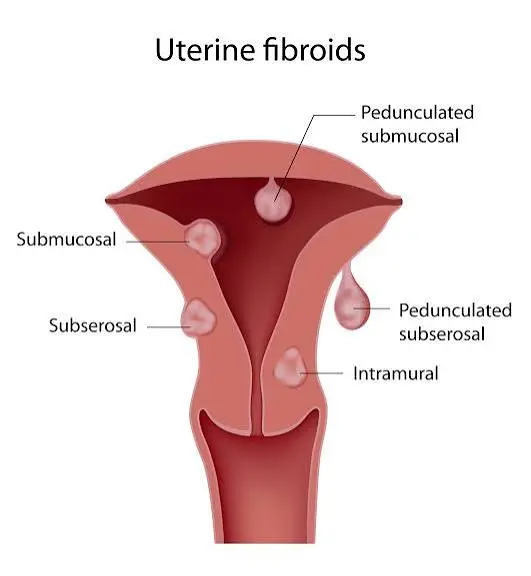
Fibroids are classified according to where they develop in relation to the uterus:
Intramural Fibroids
These develop within the muscular wall of the uterus and are among the most common types.
Submucosal Fibroids
These grow toward the inner cavity of the uterus and may be associated with heavy menstrual bleeding and fertility concerns.
Subserosal Fibroids
These develop on the outer surface of the uterus and may cause pressure or discomfort depending on their size.
Pedunculated Fibroids
These fibroids grow on a stalk attached to the uterus and can sometimes cause pelvic discomfort or pressure.
How Are Fibroids Diagnosed?
Diagnosis usually begins with a detailed discussion of your symptoms and medical history, followed by a clinical examination when appropriate.
Depending on your symptoms, your doctor may recommend:
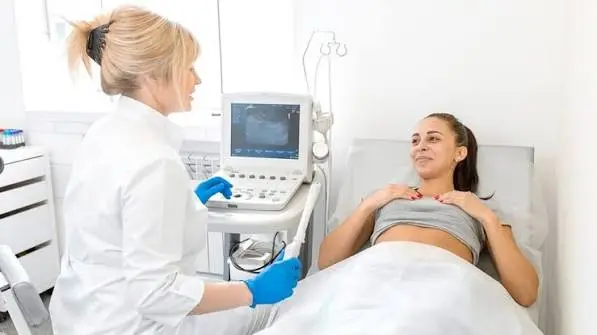
- Pelvic ultrasound
- Other imaging tests when required
- Blood tests for associated concerns such as anaemia
- Evaluation of menstrual and reproductive health
- Additional investigations based on individual needs
Treatment Options for Uterine Fibroids
Not every fibroid requires treatment. The appropriate approach depends on your symptoms, fibroid characteristics, age, overall health, and pregnancy plans.
Observation & Monitoring
Small or asymptomatic fibroids may simply be monitored through regular consultations and imaging when appropriate.
Medication
Medicines may be recommended to help control symptoms such as heavy menstrual bleeding or pain. Medication does not necessarily eliminate the fibroid itself.
Minimally Invasive Treatment
Certain patients may be suitable for minimally invasive procedures depending on the size, number, and location of their fibroids and their individual treatment goals.
Surgical Treatment
When fibroids cause significant symptoms or other complications, surgical options may be considered. Depending on the situation, procedures such as myomectomy may be appropriate for women who wish to preserve their uterus.
Fibroids & Fertility
Many women with fibroids conceive and have healthy pregnancies. However, certain fibroids—particularly those affecting the uterine cavity—may interfere with fertility or pregnancy in some cases. If you are planning a pregnancy, treatment decisions should take your reproductive goals into account. Dr. Ruchika Sharma can evaluate your condition and discuss appropriate options based on your individual needs.
Fibroids During Pregnancy
Fibroids are sometimes discovered during pregnancy. Most women with fibroids have successful pregnancies, although certain fibroids may require closer monitoring.
The impact depends on factors such as the fibroid’s size, location, and relationship to the uterus and placenta.
Why Choose Dr. Ruchika Sharma?
Experienced Obstetrician & Gynaecologist
Comprehensive evaluation of uterine fibroids
Personalised treatment planning
Consideration of future pregnancy goals
Expertise in minimally invasive and laparoscopic surgery
Focus on symptom relief and long-term women’s health
Frequently Asked Questions
Are uterine fibroids cancerous?
Most uterine fibroids are benign, meaning they are not cancerous. Your doctor can evaluate any unusual symptoms or findings and recommend appropriate investigations.
Do all fibroids require treatment?
No. Fibroids that do not cause symptoms may only require monitoring. Treatment is generally considered when fibroids cause significant symptoms or affect fertility or other aspects of health.
Can fibroids cause heavy periods?
Yes. Fibroids, particularly those located close to or within the uterine cavity, can contribute to heavy or prolonged menstrual bleeding.
Can uterine fibroids affect fertility?
Some fibroids can affect fertility depending on their size and location. However, many women with fibroids can conceive naturally and have healthy pregnancies.
Can fibroids be treated without removing the uterus?
In many cases, treatment options that preserve the uterus may be considered. The appropriate option depends on the fibroid characteristics, symptoms, age, and future pregnancy plans.
Is surgery always required for fibroids?
No. Surgery is not necessary for every woman with fibroids. Treatment may range from observation and medication to minimally invasive or surgical procedures depending on individual circumstances.
When should I consult a gynecologist for fibroids?
Consult a gynecologist if you experience very heavy periods, prolonged bleeding, pelvic pressure or pain, frequent urination, unexplained abdominal enlargement, or fertility concerns.